19+ Years Industry Experience
 Dedicated customer & tech support
 Easy 3 step booking process

 19+ Years Industry Experience
Dedicated customer & tech support
Easy 3 step booking process
19+ Years Industry Experience
Dedicated customer & tech support
Easy 3 step booking process


 Specialising in EICR surveys and related property services.
Over 19 years experience providing property surveys for all building types.
Contact us for free quotes and impartial advice.
Specialising in EICR surveys and related property services.
Over 19 years experience providing property surveys for all building types.
Contact us for free quotes and impartial advice.


Overall result logic: Satisfactory = no codes or C3 only. Unsatisfactory = any C1, C2, or FI.
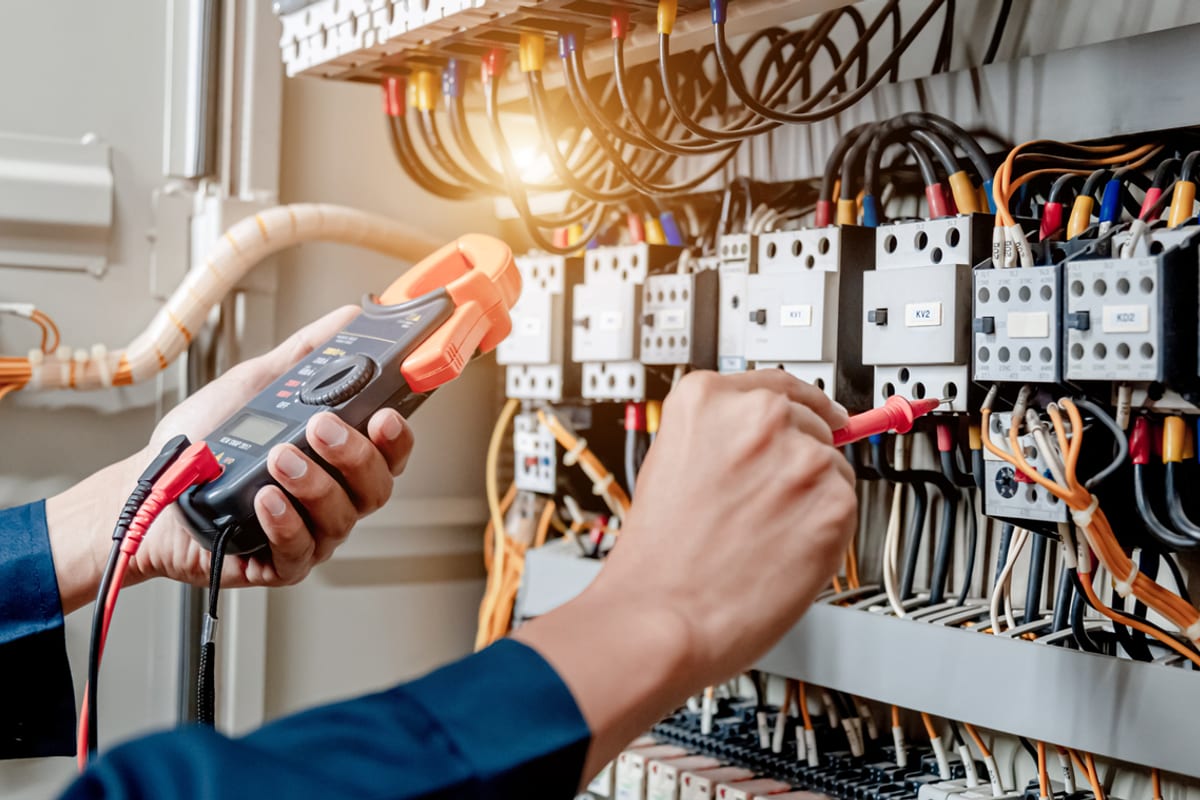
EICR classification codes are defined in BS 7671, the IET Wiring Regulations — the national standard governing all electrical installation work in the UK. Every qualified electrician uses the same coding system, so the codes on your report carry the same meaning regardless of who carried out the inspection.
Each code indicates the severity of an observed issue, not the specific fault. A C2 code tells you the issue is potentially dangerous — whether it relates to a missing RCD or deteriorated wiring is detailed separately in the observations column.
Multiple codes can appear on a single report. A property might receive a C2 on one circuit, a C3 on another, and an FI elsewhere. The overall result depends on which codes are present. Any C1, C2, or FI code makes the entire report Unsatisfactory, regardless of how many other circuits passed without issue.
When you receive your EICR, understanding these codes is essential for landlords, homeowners, and business owners alike — they determine whether your report is marked Satisfactory or Unsatisfactory and what action you need to take next.
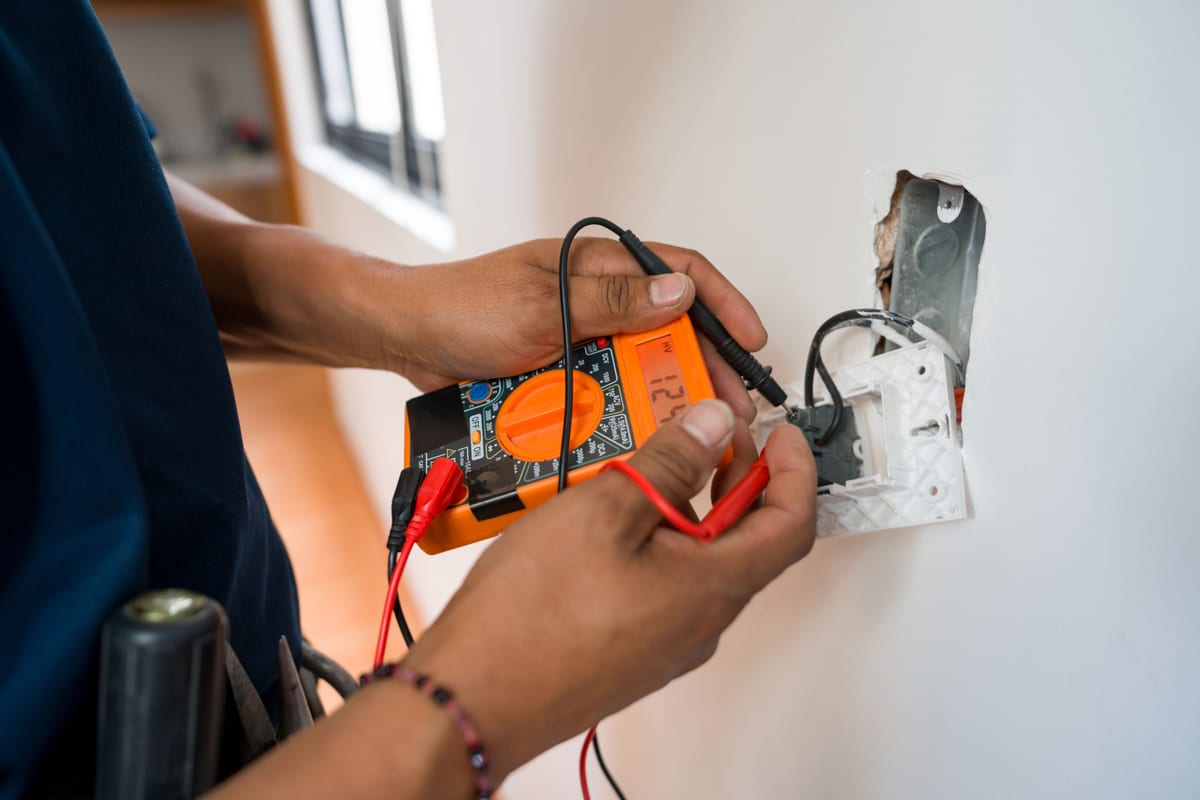
C1 is the most serious code. It means the electrician has identified an immediate risk of injury or death from the installation as it stands right now. Not a theoretical risk, not something that might deteriorate — a present danger.
When a C1 is assigned, the inspector is required to make the situation safe before leaving, usually by disconnecting the affected circuit or component. You may lose power to part of the installation. This is not optional — it is done to protect the occupants.
Action required: remedial work immediately. No grace period. Landlords must arrange repairs without delay and notify the tenant in writing once complete.
Common examples:
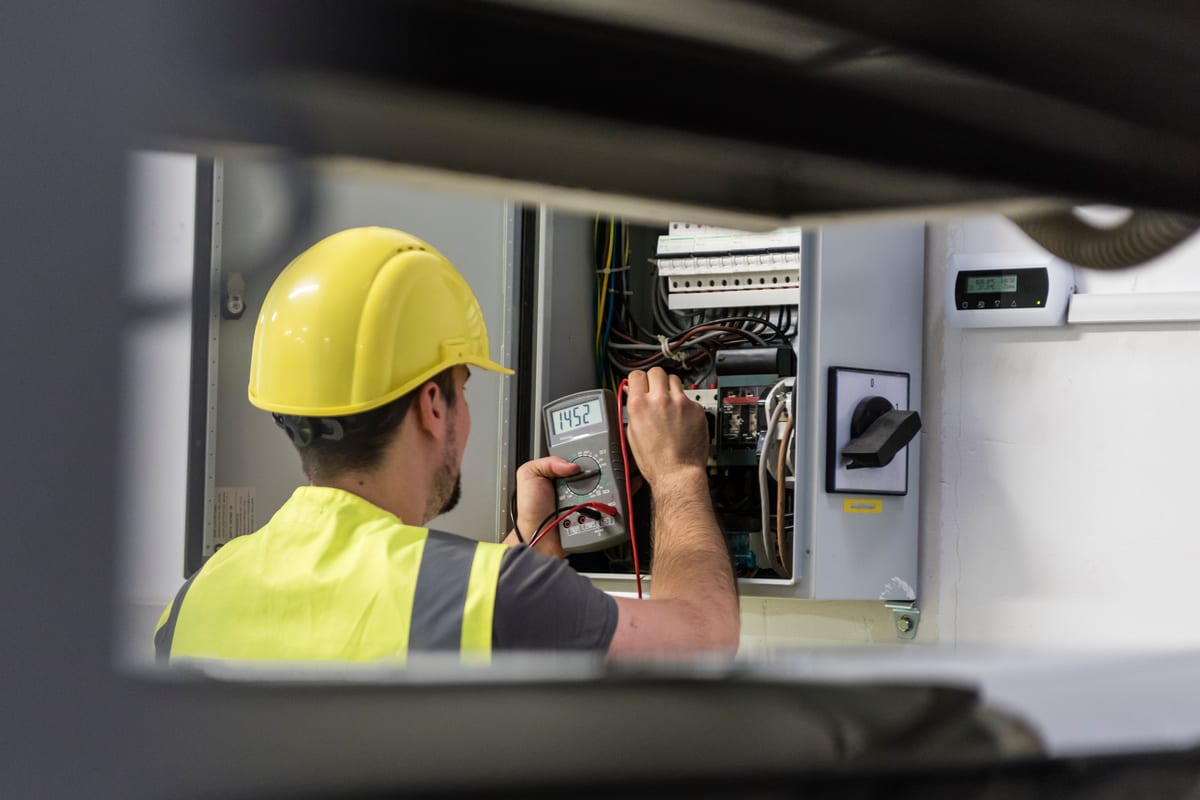
C2 is the second most serious code. A fault that is not immediately life-threatening but could become dangerous under certain conditions or if left unaddressed. The risk is real, but it has not escalated to imminent danger.
Unlike C1, the inspector typically will not disconnect anything for a C2 observation. However, the report clearly states that remedial work is required. Any C2 makes the EICR Unsatisfactory.
Action required: remedial work completed within 28 days of the report (or sooner if specified). For landlords, this deadline is a legal requirement under the 2020 Regulations.
Common examples:
Need an EICR? Book your EICR from £99.95+VAT. Our engineers fix minor faults up to £200+VAT on the day where time and parts allow.
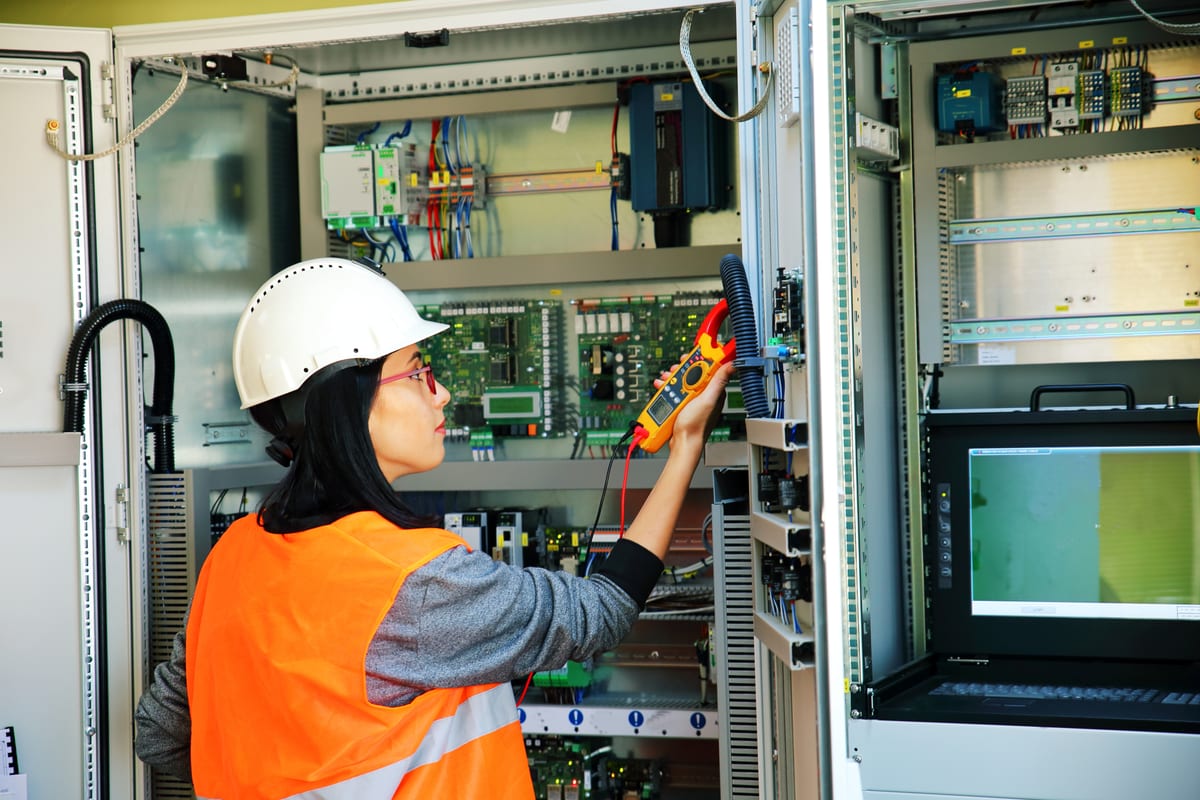
C3 is the least severe code. The electrician has noted an aspect of the installation that does not fully comply with the current edition of the Wiring Regulations but is not dangerous. The installation was likely compliant when originally installed under an earlier edition of BS 7671 and remains safe for continued use.
Crucially, C3 codes do not make your EICR Unsatisfactory. If C3 is the only code on your report, the result will be Satisfactory and no remedial work is legally required. The code simply flags that an improvement could be made.
Action: advisory only. No legal obligation to address C3 observations. Sensible to consider the improvements when other electrical work is being carried out — the marginal cost of upgrading at the same time is often minimal.
Common examples:

FI is a unique code. Unlike C1, C2, and C3, it does not describe a known fault with a known severity. It means the electrician cannot fully assess a particular element without further work — lifting floorboards, opening walls, or additional specialist tests.
An FI does not necessarily mean something is wrong. It means the inspector needs more information before giving a definitive assessment. However, because the condition is unknown, the report must be treated as Unsatisfactory until the investigation is completed.
Action required: further investigation without delay. Legal requirement — you cannot ignore an FI and treat the rest of the report as satisfactory. Once complete, the outcome may be a C1, C2, or C3, or the element may be confirmed as safe with no further action.
Common reasons for FI codes:
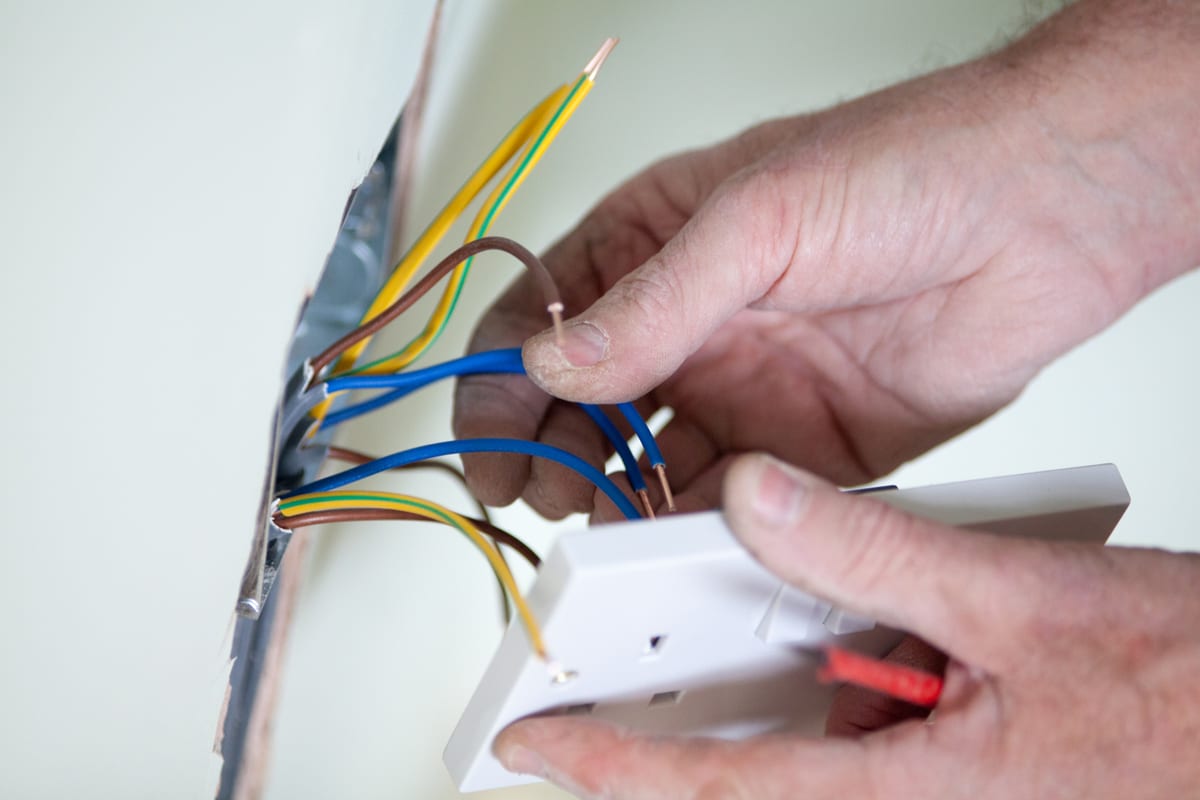
The overall result of your EICR depends entirely on which codes are present:
An Unsatisfactory result does NOT mean the entire installation is faulty or the property unsafe to occupy — it means identified issues must be resolved.
If your EICR is Unsatisfactory: national data suggests 30–40% of older rental properties receive this outcome. Read the report carefully — the observations section details exactly what was found, where, and which code applies.
Legal requirements for landlords:
Easy EPC can provide a remedial-works quote alongside your EICR so you move from diagnosis to resolution with a single provider. Our electricians carry out both the inspection and any necessary repairs. For detailed guidance see our EICR fail guide and cost guide. These codes apply to commercial EICRs too — see our commercial EICR guide.
See what landlords, homeowners and businesses say about working with Easy EPC.


Yes. A single EICR can have any combination of C1, C2, C3, and FI codes across different parts of the installation. Each observation is classified independently based on the specific issue found at that location. A property might receive a C2 on a bathroom circuit lacking RCD protection, a C3 on the consumer unit, and an FI on a concealed circuit — all on the same report.
No. C3 is advisory only and means an improvement is recommended but not required. Your EICR remains Satisfactory if C3 is the only code present. Only C1, C2, and FI codes cause an Unsatisfactory result.
For rented properties, yes — a C2 makes the report Unsatisfactory and remediation is legally required within 28 days under the 2020 Regulations.
There is no legal limit. A well-maintained older installation might have several C3s and still be Satisfactory. However, a report with many C3 observations may suggest the installation is approaching the point where upgrades make sense.
The qualified electrician carrying out the inspection assigns codes based on their professional judgement, guided by BS 7671. The criteria are standardised, but there can be some professional interpretation — particularly at the boundary between C2 and C3.
You can ask for a second opinion. A second EICR from a different qualified electrician is the standard route. You are entitled to challenge a classification if you believe it was incorrectly applied.
Book an EICR in your city — from £99.95+VAT
Get a no-obligation quote for your domestic or commercial EICR. Our team will respond during opening hours.